Transport for London wants every private hire vehicle licensed for the first time from 2028 to be fully battery-electric, with wheelchair-accessible vehicles given until July 2030. The proposal, which would cover Uber, Bolt and Lyft cars as well as traditional minicabs, is open for public comment until 2 December 2026.
What TfL is proposing for London minicabs
The consultation would close the door on every combustion-based option for new licences. Petrol, diesel, mild hybrids, full hybrids and plug-in hybrids would all be ruled out for a vehicle being licensed as a private hire vehicle (PHV) for the first time. Black cabs are licensed separately and are not part of this package.
Several other changes are bundled in. From March 2027, PHVs that have reached ten years of age would no longer be able to hold a licence. The window for renewing an expired taxi or PHV licence would shrink from two years to twelve months; miss it and the car is treated as a brand-new application that must meet whatever rules apply at the time. TfL also plans to stop approving new LPG and CNG conversion kits and new retrofit exhaust clean-up systems.
TfL's own modelling suggests that nitrogen oxide emissions from the PHV fleet would fall by around 9% and CO2 by around 35% in the first ten years, with cuts of up to 97% for both over 18 years. These are projections rather than guarantees. Christina Calderato, TfL's Director of Strategy, framed the plan as building on progress already made and pushing the fleet the rest of the way to zero emissions, while stressing that private hire still fills gaps in the public transport network. Deputy Mayor for Transport Seb Dance urged Londoners and drivers to respond.
How far London's private hire fleet has already gone electric
The starting point is much further along than for private cars. According to TfL's September figures, London has 94,661 licensed PHVs, of which 35.5% are fully electric and 35.2% are plug-in hybrids. That means more than 70% can already drive on electricity at least some of the time.
This follows earlier steps. From the start of 2020, younger vehicles being licensed for the first time had to be zero emission capable, and since 1 January 2023 that requirement has applied to every PHV licensed for the first time. In practice, many drivers met it with a plug-in hybrid. The new proposal removes that route, which is why the type of car a driver buys over the next two years matters.
Why a plug-in hybrid is a risky buy for PHV drivers now
Chinese plug-in hybrids are selling strongly in Britain, as our reports on BYD's record UK month and Chinese brands taking 23% of the market show. Cars such as the BYD Seal U DM-i are popular with private hire drivers because they combine electric running in town with long total range.
The catch is that, under the proposal, a PHV licensed for the first time from 2028 would have to be a pure EV. The consultation does not change the status of cars that are already licensed, but the ten-year age cap and shorter renewal window limit how long any vehicle can stay on the road, and a lapsed licence would be judged against the new rules. A driver buying a car now should check how the final rules treat it before committing, and anyone planning to buy from 2028 onwards should budget for a fully electric model.
Which Chinese EVs suit Uber and Bolt work
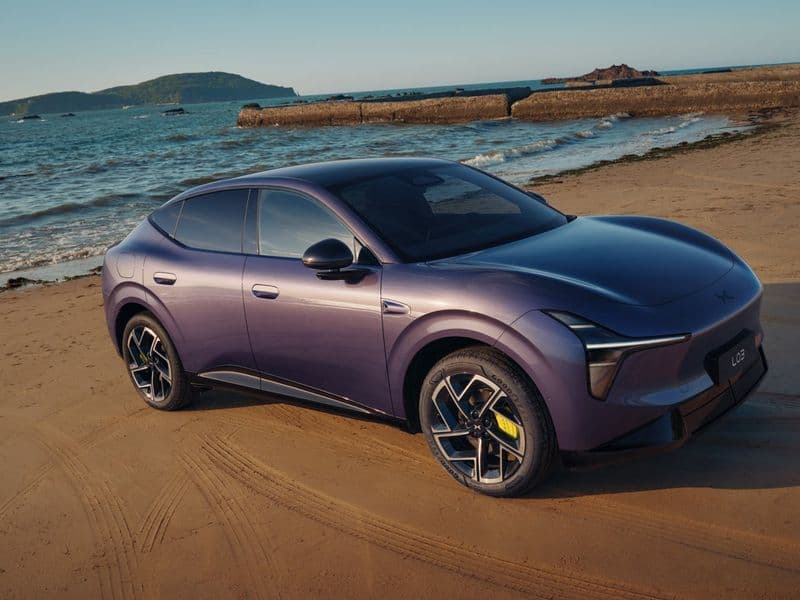
For ride-hailing, the priorities are a low purchase price, enough real-world range for a long shift, rear legroom that passengers notice, a boot that takes airport luggage, and a warranty that copes with high mileage. Several Chinese EVs on sale in the UK tick most of those boxes.
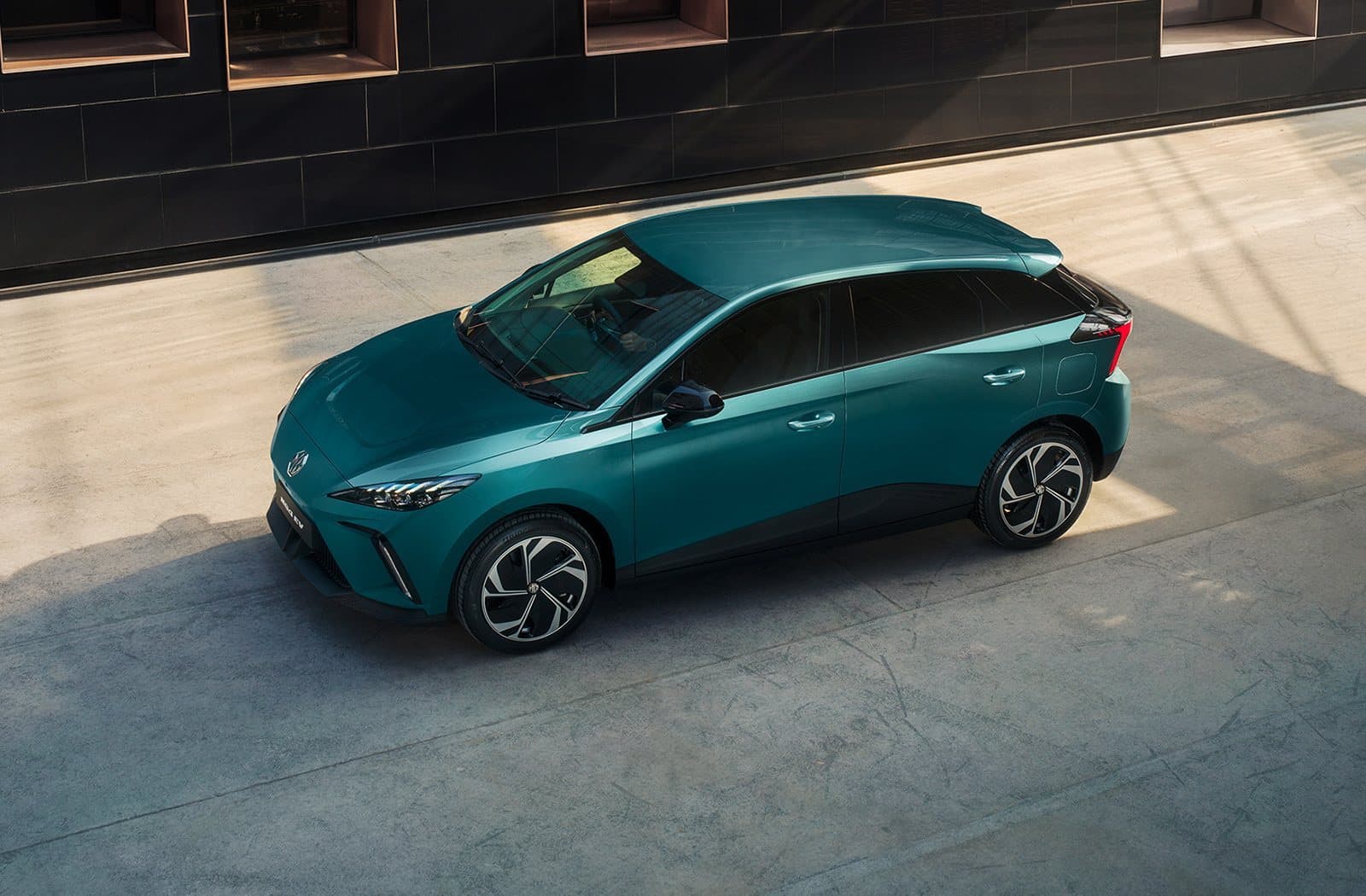
- [MG4 EV](/cars/mg-mg4-ev): from £30,495, up to 338 miles WLTP with the 77 kWh battery, 388-litre boot and proper rear legroom. The compact SUV-shaped MG S5 EV starts lower, at £28,995, with up to 298 miles.
- [MG S6 EV](/cars/mg-mgs6-ev): from £37,995, up to 329 miles and a 674-litre boot plus a front boot on rear-drive versions, the biggest load space here. Euro NCAP gave it five stars.
- [BYD Dolphin](/cars/byd-dolphin): from £30,230, 265 miles WLTP and around 347 miles in city driving, with a flat rear floor. The 364-litre boot is the weakest point for airport runs.
- [BYD Atto 3 EVO](/cars/byd-atto-3-evo): from £38,990 for the rear-drive Design, 316 miles, 490-litre boot and 10–80% charging in about 25 minutes thanks to its 800-volt system.
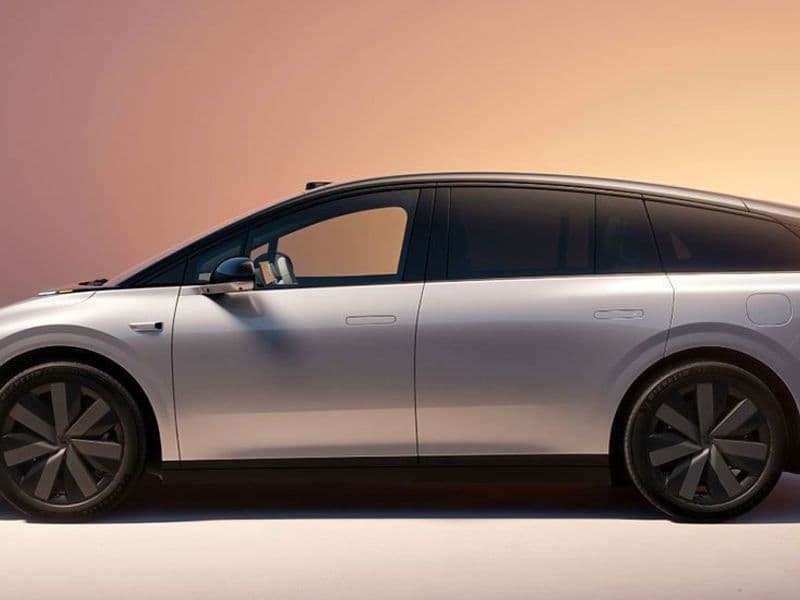
- [Geely EX5](/cars/geely-ex5): from £31,990, up to 280 miles, a 461-litre boot, reclining rear backrests and an eight-year, 125,000-mile warranty, which is the strongest cover in this group for high-mileage drivers.
- [Leapmotor B10](/cars/leapmotor-b10): around £31,500 before Leapmotor's £1,500 grant, 270 miles and a 430-litre boot. Note that Leapmotor also sells a range-extender B10, which would not qualify for a new licence under the proposal.
Drivers who spend a lot of time topping up between jobs may also look at the Xpeng G6, from £39,990, which can charge from 10 to 80% in as little as 12 minutes on a fast enough charger and has generous rear space. For the lowest entry prices, see our guide to the cheapest Chinese electric cars, and for long shifts our list of the longest-range Chinese EVs.
Licensing checks drivers should make
TfL sets its own vehicle requirements for PHVs, and operators such as Uber and Bolt add their own lists of approved models and minimum ages. Those lists change, so drivers should check the current TfL guidance and their operator's eligible-vehicle list before ordering a car. Finance length also matters: with a ten-year age limit, a car bought new in 2028 could in principle work until 2038, but battery health and warranty cover will shape its resale value long before then.
What happens next
The consultation closes at 11.59pm on 2 December 2026. TfL will then review responses and decide whether to go ahead, change the timetable or adjust the detail, so the 2028 date is not final yet. Wheelchair-accessible vehicles, for which fewer electric options exist, have the later July 2030 date. Drivers, operators and trade groups are likely to push on charging access and vehicle cost, and the final rules may reflect that.
Chinese EVs suited to private hire work
| MG4 EV | MG S6 EV | BYD Dolphin | BYD Atto 3 EVO | Geely EX5 | Leapmotor B10 | |
|---|---|---|---|---|---|---|
| UK price from | £30,495 | £37,995 | £30,230 | £38,990 | £31,990 | c. £31,500 |
| WLTP range (max) | 338 mi | 329 mi | 265 mi | 316 mi | 280 mi | 270 mi |
| Boot | 388 l | 674 l + frunk | 364 l | 490 l | 461 l | 430 l |
| Body | Hatchback | SUV | Hatchback | SUV | SUV | SUV |
FAQ
Will new Uber cars in London have to be electric?
Under TfL's proposal, every private hire vehicle licensed for the first time from 2028 would need to be fully battery-electric. This covers cars used on Uber, Bolt, Lyft and minicab firms. It is still a consultation, so the detail could change.
Can I still use a plug-in hybrid for private hire in London?
PHEVs can currently be licensed because they are zero emission capable. Under the proposal they would no longer qualify for new licences from 2028. Cars already licensed are not directly targeted, but a ten-year age limit and a shorter renewal window would apply.
When does the TfL private hire consultation close?
It closes at 11.59pm on 2 December 2026.
What about wheelchair-accessible private hire vehicles?
They get a longer transition, with the electric-only requirement proposed to apply from July 2030.
Which Chinese EV is best for Uber in London?
It depends on budget and needs. The MG4 EV and BYD Dolphin are affordable, the Geely EX5 has an eight-year, 125,000-mile warranty, and the MG S6 EV has the largest boot.
- Electrive: London considers mandating BEVs for new ride-hailing licences
- TfL press release: ambition for all new private hire vehicles to be zero emission
- London Travel News: TfL consults on all-electric minicab fleet by 2028
- Climate Action: TfL confirms all new London minicabs must be zero emission capable
- Manufacturer UK prices and specs (MG, BYD, Geely, Leapmotor, Xpeng), October 2026